
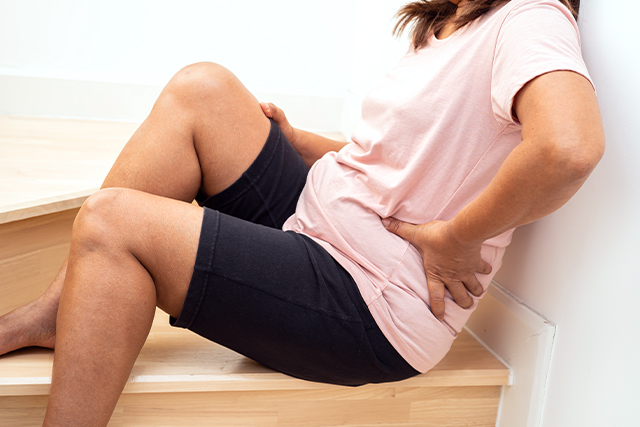
Bowel issues like constipation are really common, and although there can be many causes for these issues, many people are surprised to learn that poor functioning of pelvic floor muscles can be one possible cause. The pelvic floor is actually not just one muscle, but a group of 26 different muscles that supports the pelvic organs like the bladder, uterus, and rectum. The pelvic floor maintains continence, the ability to control bladder and bowel movements. Aging, childbirth, menopause, and other factors can cause the pelvic floor to become weakened, tight, or stretched out, resulting in pelvic floor disorders (PFDs) like incontinence (leaking urine or stool), chronic pelvic pain, pelvic organ prolapse (when organs sag or bulge out of place), or dyspareunia (pain during intercourse).
Common gastrointestinal (GI) symptoms like constipation, bloating, loss of bowel control, and abdominal pain can sometimes be caused by pelvic floor disorders. This can have a huge impact on a person’s quality of life, including relationships, mental health, and self-esteem. It’s important to learn about the symptoms, causes, and treatments early on to begin preventive care and know when to seek help, especially during pregnancy, postpartum, and menopause. It can also help you make educated decisions when looking for a healthcare provider.
The pelvic floor muscles, especially the puborectalis (the most important muscle in the pelvic floor for fecal continence), must relax and contract in a coordinated way during bowel movements. In people with pelvic floor dysfunction (PFD), these muscles may not relax properly, leading to:
- Chronic constipation
- Straining
- Incomplete evacuation (not fully emptying your bowels)
- Dyssynergic defecation (a condition where muscles contract instead of relaxing during a bowel movement)
There are some factors that may put you at a higher risk for PFDs that can cause GI issues. This includes childbirth, when pushing a baby through the birth canal puts immense pressure and physical strain on your muscles (sometimes even causing stretching or tearing), and pregnancy, when hormone changes can impact bowel functions. Similarly, during menopause, the decline of estrogen can have impacts on both muscle tone and GI motility (movement of food through the entire digestive tract). Aging may also weaken the anal sphincter, making it harder to control bowel movements. Other things like chronic straining, smoking, obesity, and pelvic surgery or injuries can cause muscle trauma or damage, impairing long-term muscle function.
When to seek care
It’s important to talk to a healthcare provider about what’s going on anytime your symptoms are getting in the way of everyday life. Those symptoms can include things like:
- Persistent / severe chronic constipation that doesn’t improve with diet or over-the-counter remedies
- Straining, hard stools, or a sensation of incomplete evacuation (not fully emptying your bowels)—especially if these are ongoing
- Fecal incontinence (accidental bowel leakage), even if mild or infrequent, particularly if it affects quality of life or causes emotional distress
- Abdominal pain or bloating that recurs and is not explained by diet or other known GI conditions
Bowel issues can be very disruptive to daily life. GI symptoms can show up at the most inconvenient times, and it can be especially hard if you aren’t in private or don’t have access to a bathroom. If your symptoms are interfering with work, social activities, or your emotional wellbeing, it’s time to talk to a healthcare provider. Even though it can be physically and emotionally challenging to live with a PFD or a condition like bowel incontinence, many women do not seek treatment or report their symptoms due to social stigma and embarrassment. Still, early intervention is the key to significantly improving outcomes, so if you notice unusual symptoms, talk to your healthcare provider or OB-GYN immediately. Your healthcare team can get you the care you deserve, providing relief from symptoms and enhancing your quality of life.
Evidence-based management and prevention
If you have GI symptoms caused by pelvic floor dysfunction, there are several treatments that can help. This may include changes to your diet and lifestyle. You might start bowel training, a program designed to establish a bathroom schedule and improve control of your bowel movements. Toileting posture, often using a stool and specific squatting position, can also be helpful. Pelvic floor physical therapy (PFPT) is another front-line treatment for many pelvic-GI disorders and includes stretches, internal/external exams, and movements like Kegels to strengthen the pelvic floor muscles.
Biofeedback therapy is a non-invasive, non-pharmacological treatment for those with pelvic-GI conditions like chronic constipation, fecal incontinence, and sexual dysfunction. Biofeedback uses special sensors to help people become more aware of their pelvic floor muscles and develop better control over them. Neuromodulation is another technique that delivers signals to certain parts of the brain to change nerve activity, directly improving symptoms. In fact, neuromodulation can be used for conditions ranging from migraines to tremors, not just incontinence.
Cognitive behavioral therapy (CBT), which you may have heard of if you’ve ever seen a mental health therapist, can also be a helpful treatment for some symptoms like chronic pelvic pain. CBT helps build coping skills, which can improve symptom-specific anxiety and depression.
Talking to your healthcare team
Since the gut and pelvis are connected both physically and functionally, having an issue with one may mean having trouble with the other. If you notice GI or pelvic symptoms that are out of the ordinary, seek care as soon as you can. It’s important for your healthcare provider to know about all the symptoms you might be experiencing, so talking openly and honestly is helpful, even if it can be uncomfortable to talk about. Having accurate information about your health is the best way for your healthcare team to get you the support you need. Once they get a picture of what’s going on, they can help determine whether referrals to other providers like pelvic floor physical therapists, GI specialists, urogynecologists, or mental health therapists might be helpful. It’s okay to ask questions, advocate for yourself, consider all the options, and know that you always have a say in the decisions being made about your health.
Reviewed by the Ovia Health Clinical Team
Sources
- “Accidental Bowel Leakage.” ACOG, Apr. 2025, www.acog.org/womens-health/faqs/accidental-bowel-leakage.
- Members, Menopause. “Digestive Health Issues More Common during Perimenopause and Menopause.” The Menopause Society, 10 Oct. 2025, menopause.org/press-releases/digestive-health-issues-more-common-during-perimenopause-and-menopause.
- Ray, Jennifer, and Jennifer LaBundy. “Lower Gastrointestinal Tract Disorders.” ACOG, June 2022, www.acog.org/clinical/journals-and-publications/clinical-updates/2022/06/lower-gastrointestinal-tract-disorders.
- “Symptoms & Causes of Fecal Incontinence – NIDDK.” National Institute of Diabetes and Digestive and Kidney Diseases, U.S. Department of Health and Human Services, July 2017, www.niddk.nih.gov/health-information/digestive-diseases/bowel-control-problems-fecal-incontinence/symptoms-causes.
- “Fecal Incontinence.” ACOG, Apr. 2019, www.acog.org/clinical/clinical-guidance/practice-bulletin/articles/2019/04/fecal-incontinence.
- Wang, Rong, and Meng Xia. “Efficacy of Biofeedback Therapy on Chronic Constipation and Sexual Dysfunction in Postmenopausal Women: A Randomized Controlled Trial.” Wiley Online Library, 20 May 2025, onlinelibrary.wiley.com/doi/abs/10.1111/nmo.70084.
- “What Is Neuromodulation?” Mount Sinai Health System, www.mountsinai.org/locations/center-neuromodulation/what-is.
- “The Utility of and Indications for Routine Pelvic Examination.” ACOG, Oct. 2018, www.acog.org/clinical/clinical-guidance/committee-opinion/articles/2018/10/the-utility-of-and-indications-for-routine-pelvic-examination.
- Donatti, Lilian, et al. “Efficacy of Cognitive Behavioral Therapy in Treating Women with Endometriosis and Chronic Pelvic Pain: A Randomized Trial.” SageJournals, 2 Apr. 2024, journals.sagepub.com/doi/abs/10.1177/13591053241240198.
- Peinado-Molina, et al. “Pelvic Floor Dysfunction: Prevalence and Associated Factors.” SpringerNature Link, 14 Oct. 2023, bmcpublichealth.biomedcentral.com/articles/10.1186/s12889-023-16901-3.

