
Osteoporosis is a disease that weakens bones and makes it easier for them to break. It affects millions of Americans, and women make up about 80% of all cases. This is because women naturally have smaller bones and lose protective estrogen during menopause, both risk factors for osteoporosis. In fact, one in two women over age 50 will break a bone due to osteoporosis, which shows just how important it is to understand your risks and make lifestyle changes to protect your bone health. Since bone loss is often silent and doesn’t show symptoms until a fracture happens, staying aware and acting early is key.
Understanding How Bones Age
Bones may seem rigid and permanent, but they are alive, just like the rest of your body. Bone is living tissue that is constantly being remodeled through breakdown and rebuilding. A person grows bone throughout childhood, adolescence, and early adulthood, and reaches their peak bone mass around age 30. Estrogen, a hormone essential for maintaining bone mineral density, drops sharply during menopause. This significantly accelerates bone loss. The hormonal transition that occurs during menopause is a key contributor to faster bone loss in women, which can lead to more serious conditions like osteopenia and osteoporosis.
Major Risk Factors for Osteoporosis in Women
Risk factors for osteoporosis in women include things you can and cannot change. Some of the risk factors you can’t change include:
- Biological sex: Women are four times more likely than men to develop osteoporosis
- Menopause: The drop in estrogen during menopause triggers rapid bone loss
- Age: Your risk for osteoporosis increases significantly after age 50
- Family history: Having parents with a history of hip or spine fracture raises your risk
- Body frame: A low BMI (less than 20) or small body size increases a person’s vulnerability
- Genetics and ethnicity: White and Asian women are at the highest risk for osteoporosis, while African American and Hispanic women have a slightly lower risk
Modifiable Lifestyle and Behavioral Risk Factors
There are a lot of things you can do to strengthen your bones and reduce your risk of osteoporosis. Changing any of the following lifestyle factors can help you protect your skeleton:
- Physical inactivity: Not participating in weight-bearing (any exercise where you carry your own body weight) or resistance exercise accelerates bone loss
- Smoking and excessive alcohol: Smoking and having more than two drinks a day raises your risk of fractures
- Poor diet: Not getting enough calcium, vitamin D, or protein weakens bones over time
- Low sunlight/vitamin D deficiency: Vitamin D is found in sunlight– limited sun exposure leads to poor calcium absorption, which weakens bones
- Sedentary indoor lifestyle: Minimal activity and sitting down for long periods of time weakens bone density
Medical Conditions and Medications that Increase Risk
Some medical conditions can increase your risk of osteoporosis. These include thyroid disorders, rheumatoid arthritis, celiac disease, diabetes, premature menopause, vitamin D deficiency, and eating disorders, among others. Certain medications, such as glucocorticoids, antiepileptics, aromatase inhibitors, and some cancer therapies, can increase bone loss and interfere with bone remodeling.
Does pregnancy or breastfeeding increase risk?
The body uses calcium stored in the bones during pregnancy and breastfeeding. At this time, bone density temporarily decreases, but it generally returns within one year of weaning. In some cases, bones may even be stronger than they were before pregnancy.
On average, pregnancy and lactation do not increase a person’s risk of osteoporosis. However, close birth spacing (pregnancies less than 12 months apart) may increase risk, as bone density doesn’t have enough time to recover.
Prevention Strategies for Stronger Bones
Nutrition plays a foundational role in bone health. Women under 50 require 1,000 mg of calcium daily, while the recommended intake for women over 50 is 1,200 mg a day to help offset post-menopausal bone loss.
Vitamin D is essential for calcium absorption. Women under age 70 should aim for 600 IU of vitamin D daily, and 800 IU per day after 70. Adequate protein consumption also supports bone strength by improving bone mineral density. Other important nutrients include vitamin K, magnesium, and vitamin C. A balanced diet rich in dairy, fortified foods, fruits, vegetables, and lean protein supports lifelong bone health.
Exercise and Physical Activity
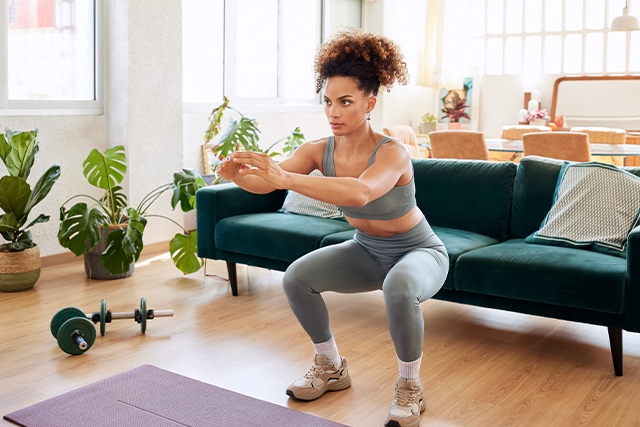
Exercise is equally important for maintaining bone density. The more weight bones carry, the stronger they can get. Weight-bearing activities where the body is supporting its own weight, such as walking, jogging, or dancing, and resistance training like weightlifting or using resistance bands help maintain and build bone mass. Even daily activities like stair climbing or gardening can improve musculoskeletal strength and stability.
Lifestyle Modifications
Following a healthy lifestyle can further reduce your risk of bone loss and conditions like osteoporosis. Avoiding smoking and limiting your alcohol consumption can change your bone health for the better. Maintaining a healthy body weight and avoiding a low BMI (being underweight) is also helpful.
Reducing fall risk is especially important as you age. Home safety adjustments like securing rugs, enhancing lighting, and installing grab bars, along with mobility and balance exercises, can reduce your risk of falling and getting a fracture.
Screening and Early Detection
Screening and early detection of conditions like osteoporosis allow for early intervention. Bone density testing (DXA) is recommended for all women over age 65 and younger women with risk factors. Discussing personal risk factors with a healthcare provider (especially after menopause) helps women begin screening at an appropriate time and establish preventive strategies.
Although osteoporosis is common, especially in women, there are steps you can take to lower your risk. By recognizing personal risk factors and adopting healthy lifestyle habits through nutrition, exercise, and screening, women can preserve bone strength and maintain strong, resilient bones for life.
Sources
- National Institute of Arthritis and Musculoskeletal and Skin Diseases. “Pregnancy, Breastfeeding, and Bone Health.” NIAMS, https://www.niams.nih.gov/health-topics/pregnancy-breastfeeding-and-bone-health.
- National Institute of Arthritis and Musculoskeletal and Skin Diseases. “Osteoporosis.” NIAMS, https://www.niams.nih.gov/health-topics/osteoporosis.
- Bone Health & Osteoporosis Foundation. “What Women Need to Know.” BHOF https://www.bonehealthandosteoporosis.org/preventing-fractures/general-facts/what-women-need-to-know/.
- Johns Hopkins Medicine. “What You Can Do Now to Prevent Osteoporosis.” Hopkins Medicine, https://www.hopkinsmedicine.org/health/conditions-and-diseases/osteoporosis/what-you-can-do-now-to-prevent-osteoporosis.
- Cleveland Clinic. “Osteoporosis.” Cleveland Clinic, https://my.clevelandclinic.org/health/diseases/4443-osteoporosis.
- Mayo Clinic. “Osteoporosis.” Mayo Clinic, PDF document MC1821‑04, https://mcforms.mayo.edu/mc1800-mc1899/mc1821-04.pdf.

