
Ovia Talks: Supporting Black moms for safer pregnancies
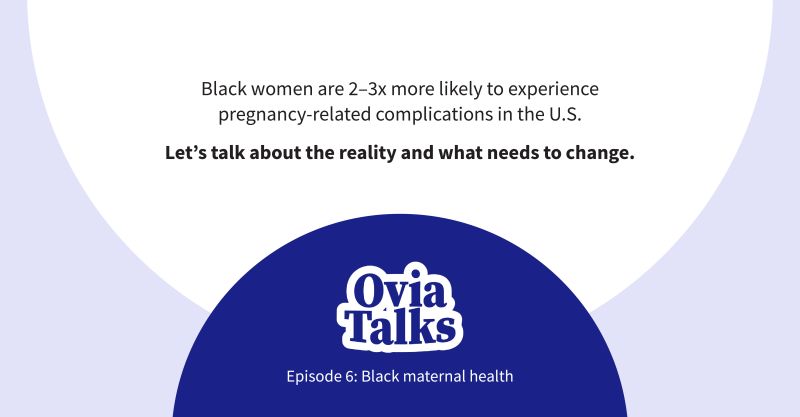
All women deserve to feel heard, supported, and safe during pregnancy. But for too many Black women, that standard remains out of reach.
In the U.S., Black women are three times more likely to die from pregnancy-related causes than white women, and face higher rates of serious complications like preeclampsia and postpartum cardiomyopathy.¹,²
In Episode #6 of Ovia Talks, Ovia Care Team members Edwina Zant, CNM, MSN, and Brooke Davis, BSN, RN, CCM, CHC, CLC, examine the root causes behind these disparities and what it’s going to take to drive meaningful change.
Inside the episode
Black women are more likely to have their concerns or symptoms minimized during pregnancy, leading to care delays that shape clinical outcomes. They’re also more likely to have conditions like hypertension and diabetes, increasing the risk of preterm birth, low birth weight, and infant mortality.
Improving outcomes starts with rethinking the care environment itself. That means providers who listen, take concerns seriously, and actively engage in shared decision-making. Black women should also have a culturally competent care team featuring midwives, doulas, and lactation consultants to provide continuous support throughout their journey.
Self-advocacy also is an important tool. Bringing a trusted support person to office visits, tracking symptoms, asking questions, or seeking a second opinion can help patients navigate gaps, but those gaps shouldn’t exist in the first place.
Real progress requires a system designed to meet patients halfway, with structures that prioritize empathy, continuity, and equity at every touchpoint.
Key takeaways
Safer pregnancies depend on care that is collaborative, respectful, and responsive to Black women’s unique needs and experiences. Advancing maternal health equity requires action across the ecosystem—health plans, providers, and partners working together to build systems that truly listen, respond, and deliver equitable care at scale.
For organizations focused on improving maternal health outcomes, closing these gaps isn’t just a clinical priority, it’s a measure of how well the system works for the women who need it most.
🎧 Listen to the full episode here.
What’s next for Ovia Talks?
Do you have topic ideas for future episodes? We’d love to hear them.
📩 Email us at talks@oviahealth.com.
References
¹ National Heart, Lung, and Blood Institute. Maternal health in the United States. National Institutes of Health. Accessed April 15, 2026. https://www.nhlbi.nih.gov/health/maternal-health
² National Institutes of Health. NIH-funded study highlights stark racial disparities in maternal deaths. Published September 19, 2019. Accessed April 15, 2026. https://www.nih.gov/news-events/news-releases/nih-funded-study-highlights-stark-racial-disparities-maternal-deaths