
Sperm donation 101: The facts

How do I know if I’m pregnant, or just late?

No period, no positive pregnancy test- what happened?

The best time to take a home pregnancy test

Think you’re pregnant? Here are signs and symptoms to look for

The ABCs of TTC: The acronyms you need to know when trying to conceive

Should I use an ovulation predictor kit?

Does a negative pregnancy test mean I’m not pregnant?

Tracking your cervical position

Self-tracking devices and fertility: everything you need to know

Can cervical position predict fertility?

Am I timing sex correctly?

18 tips to get pregnant faster that actually work

How to use your fertility chart

Are you TTC? How Ovia can help you conceive faster

What should you track when trying to conceive?

Trying to conceive when 35 and older
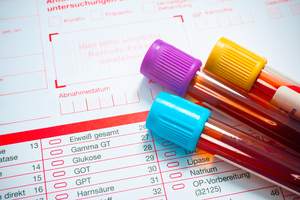
Why you might want to get genetic testing before getting pregnant

Tracking fertility to get pregnant faster

Conception planning and your fertile window

Tracking your blood pressure with Ovia

How Ovia can help you be your healthiest, happiest self

Learn about when you ovulate: One egg’s epic journey

Here’s when your fertile window opens and closes

Getting started with Ovia: Your quick start guide

Tracking your moods with Ovia

Managing your period as a trans, genderqueer, or non-binary person

Tracking your ovulation tests

Tracking your cervical fluid with Ovia

Tracking your sleep with Ovia

From cervical fluid to sleep: How tracking your body’s signs and symptoms can identify when you ovulate

The important details about the menstrual cycle and what it means to be irregular

Aches, cramps, and swollen breasts: why you should track your physical symptoms

Fertile window for eggs and sperm

Tracking fertility during the luteal phase

Tracking fertility during the fertile window

Tracking fertility during the proliferative phase

Tracking fertility during the menstrual phase


